Campervan vs Motorhome: Which Is Right for You
11 minutes well spent
In this article
- What is the difference between a campervan and a motorhome?
- Campervan vs motorhome at a glance
- Living space, sleeping and everyday comfort
- Driving, parking and everyday use
- Campervan vs motorhome costs
- Driving licences and usable payload
- How Don Amott Can Help
- Choosing the right vehicle for you
- Frequently asked questions
Do you want one vehicle for daily life and holidays, or a place to stay on longer trips? For most buyers, the campervan vs motorhome decision starts here.
A compact campervan can make it easier to mix workdays with weekends away. A motorhome often gives you more room to cook, sleep and relax. Larger panel van conversions offer another option, with fitted bathrooms and beds inside a van body.
The right choice depends on your routine, your budget and the space you need. This guide compares all three options to help you build a useful shortlist.
What is the difference between a campervan and a motorhome?
The main difference between a motorhome and a campervan is often how the living space is built. However, the names overlap, and a large van conversion may be sold as either a campervan or a motorhome.
Look at the body, size and layout to understand what each vehicle offers.
-
Compact campervans and larger panel van conversions
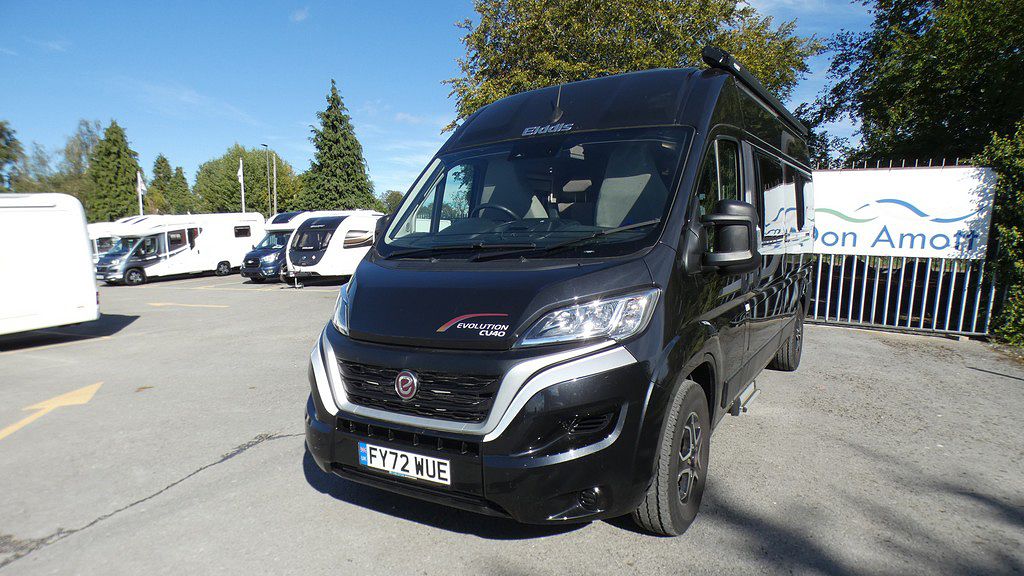
A campervan has living space fitted inside a van body. Compact models often have a pop-top roof, which lifts when parked. This can provide standing room and, in some models, an extra bed. Downstairs, seats may fold into a bed beside a small kitchen. Storage is limited, so you may need to move bags before settling down for the night. Larger panel van conversions have more space within a longer or taller body. Many have a fitted kitchen, toilet and shower. Some have permanent beds too. They can suit long holidays as well as short breaks.
-
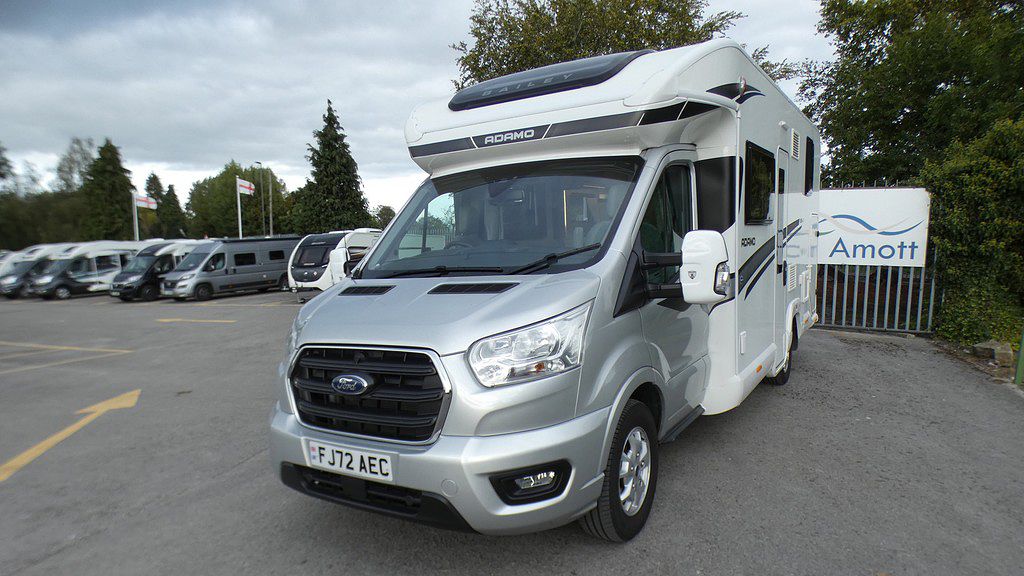
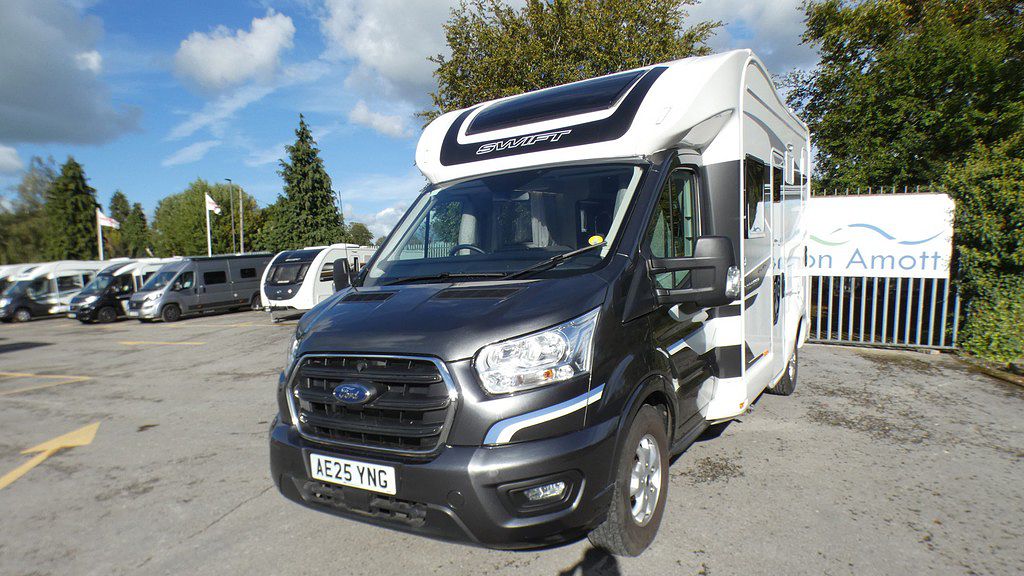
Coachbuilt and A-class motorhomes
A coachbuilt motorhome has a living body added behind the vehicle’s cab. An A-class has a purpose-built body that includes the cab area. These designs give makers more scope for wider lounges, separate sleeping areas and larger washrooms. However, compact motorhomes can overlap in length with larger campervans. For a closer look at how they are built, read our guide to coachbuilt motorhomes and panel van conversions.
Campervan vs motorhome at a glance
These are typical features, rather than fixed rules. Always check the layout and specification of the vehicle you are viewing.
A quick comparison of the three main options
| Feature | Compact pop-top campervan | Larger panel van conversion | Coachbuilt or A-class motorhome |
| Everyday use | Often easiest to fit into daily routines | More length or height to manage | Usually more suited to holiday use |
| Living space | Compact, with shared areas | Fixed headroom and a narrower lounge | Often wider, with more separate areas |
| Sleeping | Folding seats and sometimes a roof bed | Fixed beds or seating that converts | Fixed, drop-down or converted beds |
| Bathroom | Often no dedicated washroom | Many have a toilet and shower | Usually fitted; some have a separate shower |
| Storage | Limited cupboard and luggage space | More storage, depending on layout | Often larger lockers or a rear garage |
| Holiday style | Day trips and regular moves | Touring with more onboard facilities | Longer stays and time spent indoors |
| Main compromise | Less room and privacy | Size without a wider living body | More space needed for driving and parking |
For every option, check travel seats and payload. A large locker tells you what might fit, but not how much weight you can carry.
Living space, sleeping and everyday comfort
A layout can matter more than overall size. Picture a normal day inside, from making breakfast to getting ready for bed.
-
Beds, seating and the evening routine
A permanent bed saves you making it each night. However, it uses space that could otherwise form part of the lounge. Folding beds let one area do two jobs, but bedding needs a home during the day. Pop-top and drop-down beds can free up floor space. Check the ladder, headroom and access before deciding. Lie on the bed too: its shape matters as much as its stated length.
For a family, test the evening routine. Can the adults still sit and read once the children are asleep? Can someone reach the toilet without climbing over a bed? Check approved travel seats separately from sleeping berths. A four-berth label describes sleeping space, not the number of approved travel seats.
-
Kitchens, bathrooms and privacy
Think about what you cook at home and on holiday. Check the fridge, hob and worktop. Space for a chopping board may matter more than an extra appliance. Bathroom choices range from a portable toilet to a fitted washroom. A combined washroom shares space between the toilet and shower. A separate shower keeps more of the room dry, but takes up space elsewhere.
Decide how happy you are to use campsite facilities. An onboard toilet may be a priority for night-time visits or trips with children. During a viewing, stand at the kitchen counter and step into the washroom. Open doors and try moving past another person.
-
Storage and comfort in poor weather
Give coats, wet shoes, food and bedding a clear storage place. Add pet bowls, outdoor chairs and bikes to your list. A large rear garage may help, but you still need enough carrying allowance. Check that bulky kit will fit through the locker door too.
Heating, insulation, ventilation and roof design all affect comfort. Ask about the specific model, especially if you plan cold-weather trips. Try the wet-afternoon test: can everyone relax inside without moving bags or rebuilding the seating? That tells you more than a sunny forecourt visit alone.
Driving, parking and everyday use
Compare each vehicle with the roads and parking spaces you use most. The badge on the back will not tell you whether the vehicle fits your driveway.
-
Using a campervan as your main vehicle
A compact campervan may work for commuting, shopping and school runs. Check that it has enough suitable travel seats and room for daily bags, a pushchair or work equipment. Think through a normal week. Will you need to remove camping kit to carry shopping? Is it easy for passengers to get in and out?
Larger conversions need more thought, especially if you use busy town centres. Measure your home parking space and check the rules at your regular car parks. Replacing a car can change the cost of ownership. That saving only works if the campervan meets your daily needs.
-
Manoeuvring, parking and access
Check overall height, length and width, including mirrors. Roof equipment and bike racks can add to the space you need. Height barriers may rule out some car parks. Narrow lanes, tight gates and short bays can also limit access. Even a compact campervan may not fit a standard parking bay.
Rear overhang is the part of the body behind the back wheels. It affects how the vehicle moves through turns and over steep entrances. Ask about a test drive. Try parking and turning as well as driving on an open road.
-
Getting around after setting up camp
Either type may need packing away before a day out. Loose items must be secured, and any hook-up cable disconnected. Think about what you want within reach of your pitch. A campsite near shops, walking routes or public transport can make life easier.
If you plan to use bikes, check how you will carry them. Your choice of campsite can matter as much as your choice of vehicle.
Campervan vs motorhome costs
The purchase price is only part of the budget. Compare the cost of buying, keeping and using each shortlisted vehicle.
-
Purchase price and new versus used value
Age, brand, condition, layout and equipment all affect price. A premium campervan can cost more than a used motorhome. Size alone is a poor guide. Set a total purchase budget, then compare what it buys in each category. A used vehicle may offer the layout you want for less, but check its condition and history. Look at what is included too. Heating, batteries, awnings and bike storage can change the value of a deal. Avoid paying for extras you are unlikely to use.
-
Running costs and maintenance
Allow for fuel, insurance, vehicle tax, tyres, servicing and any paid storage.
Vehicle servicing looks after the engine and other mechanical parts. An MOT, when due, checks roadworthiness. Habitation checks cover the living area and its systems. These are separate jobs, so include each relevant cost.
Fuel use depends on the engine, weight, driving style and route. Get insurance quotes for the actual vehicles and tell the insurer how you plan to use them.
Campsite, ferry and tunnel charges also vary by provider, booking and vehicle details. Check prices for the trips you expect to take.
-
Building a realistic ownership budget
For each vehicle, write down:
- The purchase price and any finance costs.
- Work or accessories needed straight away.
- Annual insurance, tax, maintenance and storage.
- Fuel and the cost of your planned trips.
- A repair allowance for unexpected work.
If using finance, compare the deposit, term, fees and total amount payable alongside the monthly payment.
You can also account for the cost of a car you would sell. Keep that separate from hoped-for resale value. Future demand and vehicle condition can change what either type is worth.
Driving licences and usable payload
The vehicle’s weight limits matter whatever it is called. Check both your licence and the load you plan to carry.
-
Check your driving entitlement
For petrol, diesel and hybrid vehicles in Great Britain, category B normally covers up to 3,500kg maximum authorised mass, or MAM. This is the maximum permitted weight when fully loaded.
Above 3,500kg and up to 7,500kg, these vehicles normally require C1 entitlement. Drivers who passed their car test before 1 January 1997 may already hold C1 entitlement, while those who passed on or after that date do not usually receive it automatically. Check your current licence and any restrictions before choosing a vehicle.
See GOV.UK’s driving licence categories for the current rules, including other fuel types and Northern Ireland guidance. Our guide to C1 licence requirements explains more.
-
Check what you can carry
Payload is the available carrying allowance. Passengers, water, luggage and added equipment all affect the loaded weight. Check what the maker has already included in its figures.
A larger vehicle does not always have more usable payload. Allow for everyone and everything you will take, and check axle limits too.
Read our guide to understanding motorhome weight limits for help with the figures and weighing a loaded vehicle.
Which suits your lifestyle and travel plans?
Start with the trips you expect to make most often. These examples can help you decide what to view first.
-
Daily driving and regular weekend breaks
If you want one vehicle for workdays and holidays, start with a compact campervan. It may make weekday parking easier while keeping your bed and kitchen ready for a short break.
The trade-off is space. You may need to turn seats into a bed, pack lightly and use campsite showers.
That can work well if you spend most of the day out walking or exploring. If you prefer long evenings indoors, try the lounge with everyone seated before deciding.
-
Longer trips and time spent indoors
For longer stays, a comfortable bed, fitted bathroom and room to relax may lead your list. A motorhome is worth considering, especially if you want separate living and sleeping areas.
A well-equipped panel van conversion can also meet those needs. It may suit you if a narrower body matters more than a wide lounge.
Think beyond the holiday itself. Check where the vehicle will stay at home, and whether its size suits the places you want to visit.
-
Family holidays, pets and outdoor equipment
Begin with enough approved travel seats and suitable beds for everyone. For younger children, confirm child-seat compatibility with the vehicle and child-seat makers’ guidance.
Then work through your belongings. A dog needs a place to rest without blocking the walkway. Bikes need suitable storage or a carrier, with enough payload for both.
Families may value separate sleeping areas, but some are happy sharing a compact space. Couples may want room for hobbies or visiting grandchildren. Choose around your needs and daily habits.
How Don Amott Can Help
Comparing real vehicles makes the choice clearer. Visit Don Amott in Hilton, Derbyshire, to explore new and used options. We’ve helped leisure vehicle buyers for over 60 years.
-
Compare layouts and build a shortlist
Bring your driveway measurements, passenger needs, budget and essential features. Contact us ahead of your visit to check which vehicles are available to view.
Sit in the lounge, try the bed access and step into the bathroom. Picture where your normal holiday kit would go. These checks can help you narrow your choice.
-
Get support with buying and ownership
Our team can discuss part exchange and finance options as part of your purchase. We also offer motorhome and campervan servicing, with an AWS-approved workshop to support ownership.
Ask about service needs and likely costs while comparing vehicles. This helps you plan beyond the price on the windscreen.
Browse campervans for sale, browse motorhomes for sale, or speak to the Don Amott team about your shortlist.
Choosing the right vehicle for you
The best campervan or motorhome is the one that fits how you will use it most often. Daily flexibility, indoor comfort and enough space for your group all deserve a place in the decision.
Your final shortlist checklist
Before committing, check that:
- Everyone has a suitable travel seat and sleeping space.
- The vehicle fits your normal parking arrangements.
- The bed and bathroom setup work for you.
- Your licence covers the vehicle.
- The payload suits your passengers and kit.
- The full ownership costs fit your budget.
Compare real layouts before choosing. Small details can make a big difference once you are away.
Frequently asked questions
Is a campervan cheaper to run than a motorhome?
Not always. Running costs depend on the specific vehicle, including its weight, engine, fuel use, insurance, servicing needs and storage arrangements. Compare quotes and likely costs for the vehicles on your shortlist rather than assuming one category will be cheaper.
Can I drive a campervan on a car licence?
A category B car licence normally covers a campervan with a maximum authorised mass of up to 3,500kg in Great Britain. Heavier vehicles may require C1 entitlement. Check the vehicle’s plated weight and the categories shown on your licence before driving.
Which holds its value better, a motorhome or a campervan?
There is no universal winner. Resale value depends on factors such as age, condition, mileage, service history, specification and demand for the individual model. Choose the vehicle that best meets your needs and maintain it carefully rather than relying on a broad category comparison.
Can I convert between a campervan and a motorhome?
The terms can overlap, but changing a vehicle’s body, weight, seating or registered details is not a simple switch between labels. Any conversion should be properly designed and completed, and you may need to notify the DVLA and your insurer. Check the requirements for the specific work before proceeding.
Can you buy a campervan with a toilet and shower?
Yes. Many larger panel van conversions have a fitted toilet and shower. Compact pop-top campervans may have a portable toilet or no dedicated washroom. Check the layout, privacy and space to move. A bathroom that looks fine in a photo can feel quite different when you step inside.
Can a four-berth campervan carry four passengers?
Not necessarily. Four berths means sleeping space for four people. It does not confirm the number of approved travel seats, which includes the driver’s seat. Check the total seating capacity, seat belts and payload. If travelling with children, confirm that your child seats are suitable for the vehicle too.
Is a campervan suitable for winter holidays?
It can be. Look at insulation, heating, roof construction and protection for the water system. A well-equipped panel van conversion may suit colder trips, while a pop-top needs careful checks for your planned conditions. Ask what the heating needs to run and follow the maker’s cold-weather guidance.
Should I hire a campervan or motorhome before buying?
Hiring a similar vehicle can help you test parking, cooking and bedtime routines before buying. Choose a size and layout close to your shortlist. A weekend in a compact pop-top will not show you how a larger conversion feels. Keep notes on what works and what you would change.
Is a used motorhome a better buy than a new campervan?
Either could suit you better. Compare condition, service history, layout, equipment and likely maintenance costs alongside price. A used motorhome may give you more living space within your budget. A new campervan may fit daily driving better. Check the warranty terms and judge each vehicle on its own merits.

We’ve got 100s of new and used stock for you to discover
The ultimate home of motorhomes, campervans & caravans sales in Derbyshire.
-
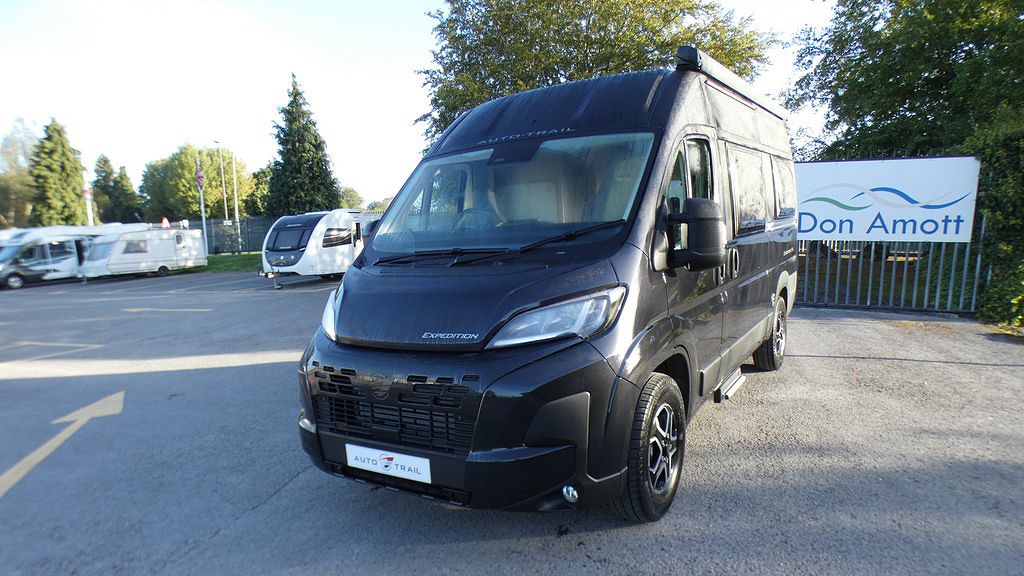
- In Stock Now
- New
- 2027
- 2 Berth
- Van Conversion
- End Lounge
- Automatic
Don Amott, Derbyshire£62,054£641 per month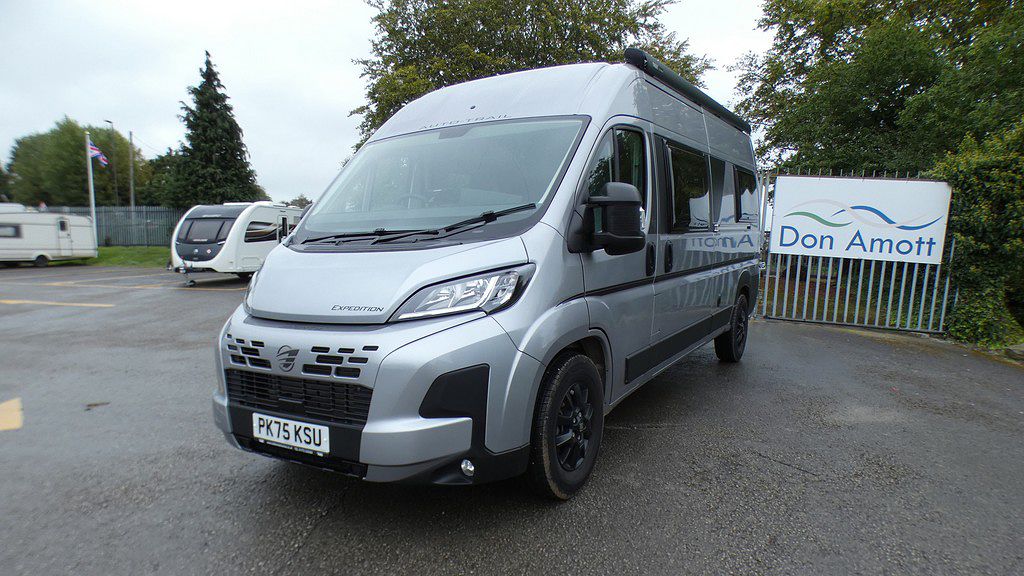
- Awaiting Preparation
- Used
- 2025
- 2 Berth
- Van Conversion
- 7,256 Miles
- End Lounge
- Manual
Don Amott, Derbyshire£54,995£568 per month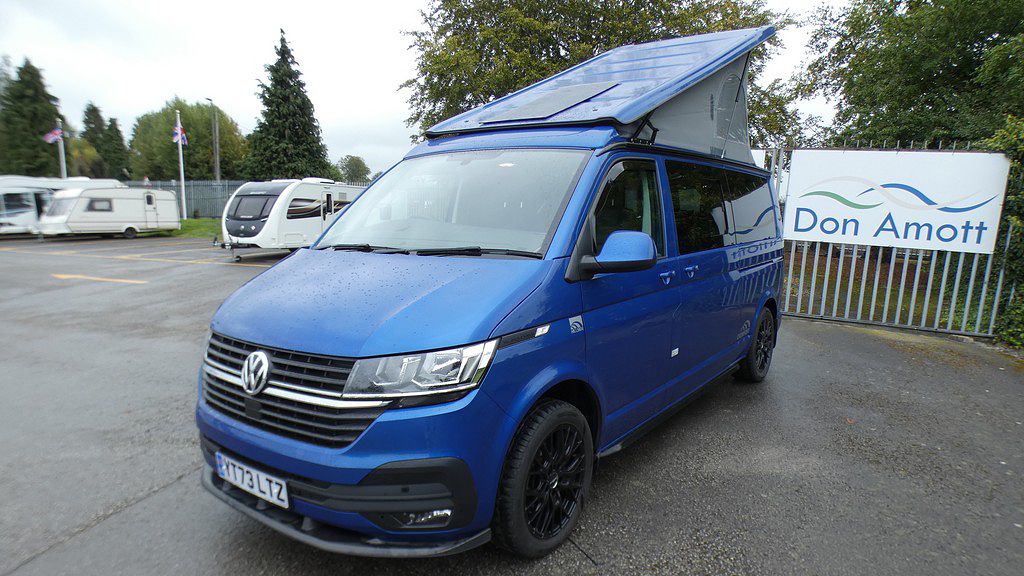
- Awaiting Preparation
- Used
- 2023
- 4 Berth
- Van Conversion
- 16,525 Miles
- End Washroom
- Manual
Don Amott, Derbyshire£56,995£589 per month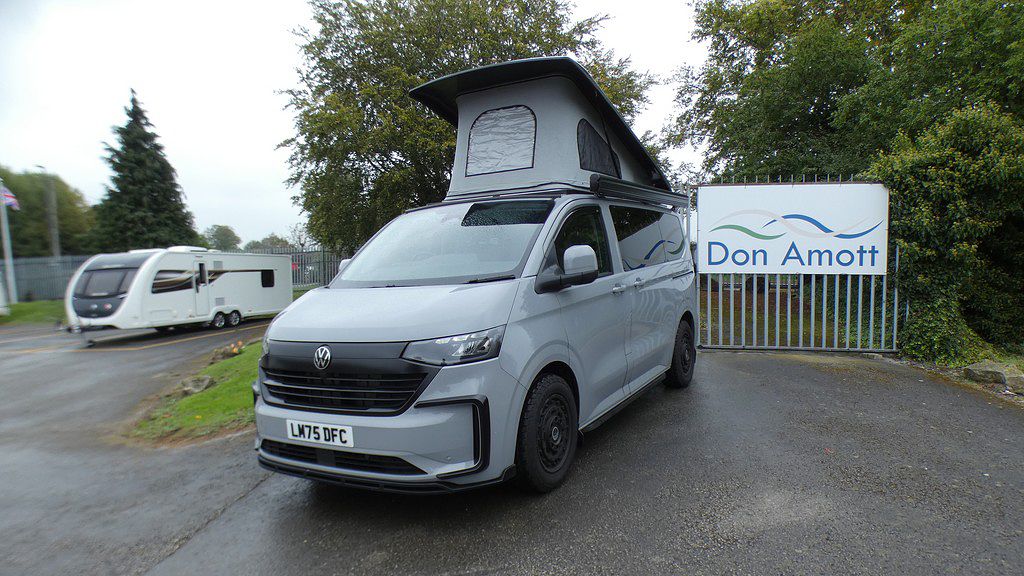
- Awaiting Preparation
- Used
- 2025
- Manual
Don Amott, Derbyshire£58,995£610 per month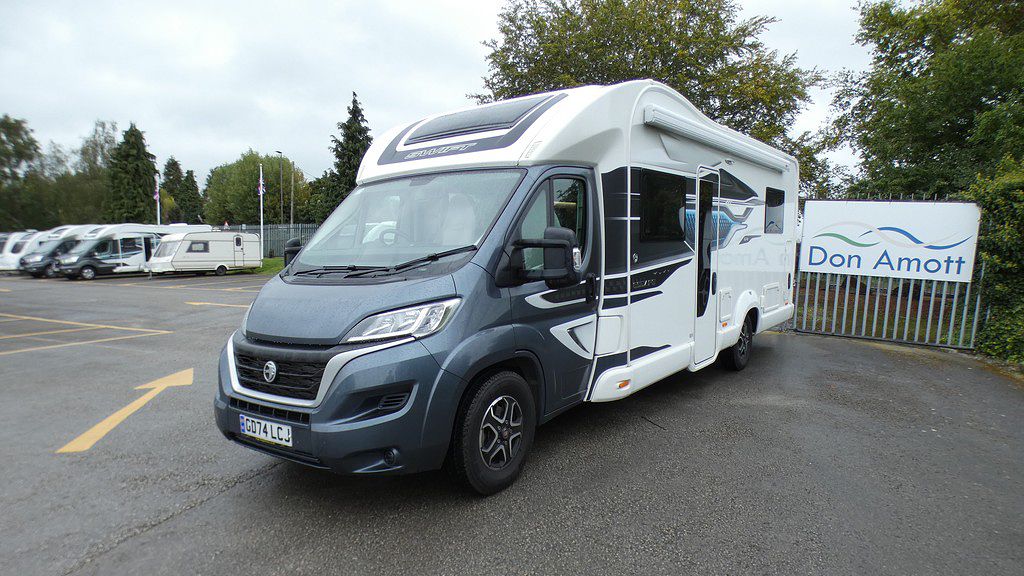
- Awaiting Preparation
- Used
- 2024
- 6 Berth
- Coachbuilt
- End Lounge
- Manual
Don Amott, Derbyshire£65,995£682 per month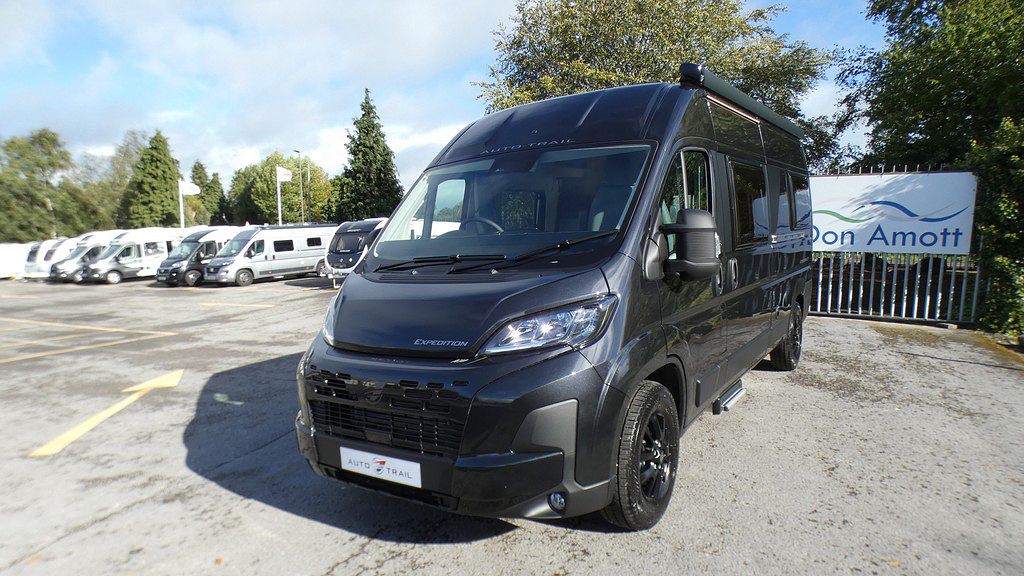
- In Stock Now
- New
- 2027
- 2 Berth
- Van Conversion
- End Lounge
- Manual
Don Amott, Derbyshire£61,989£641 per month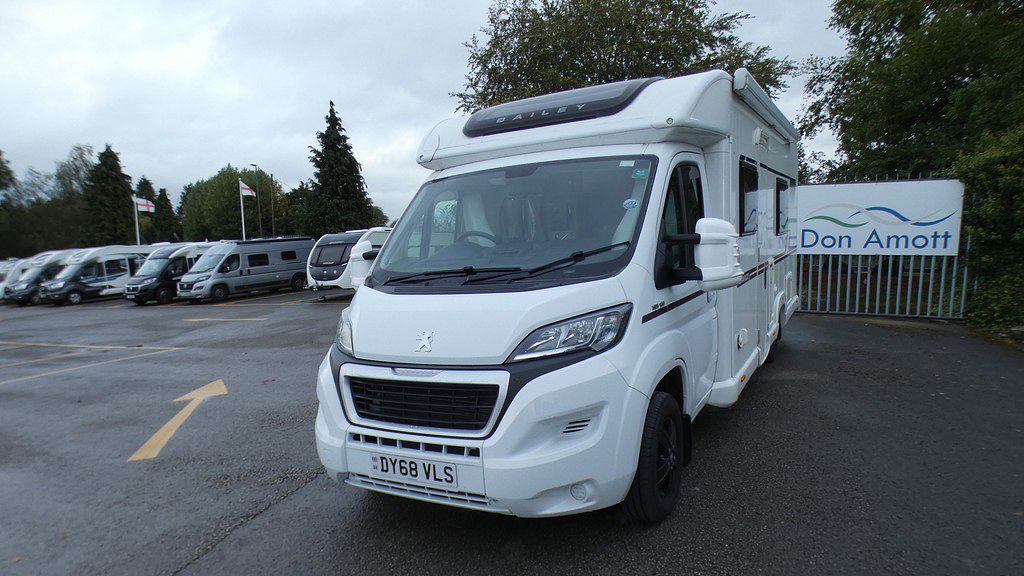
- Awaiting Preparation
- Used
- 2019
- 4 Berth
- Coachbuilt
- 9,893 Miles
- End Bedroom
- Fixed Double Bed
- Manual
Don Amott, Derbyshire£42,995£444 per month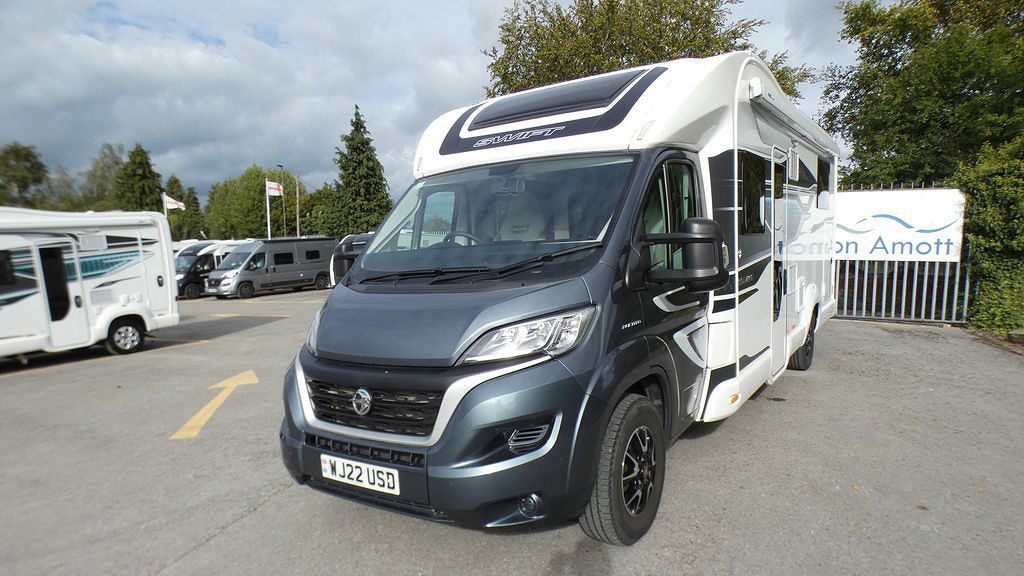
- Awaiting Preparation
- Used
- 2022
- 4 Berth
- Coachbuilt
- 11,163 Miles
- Fixed Island Bed
- Manual
Don Amott, Derbyshire£58,995£610 per month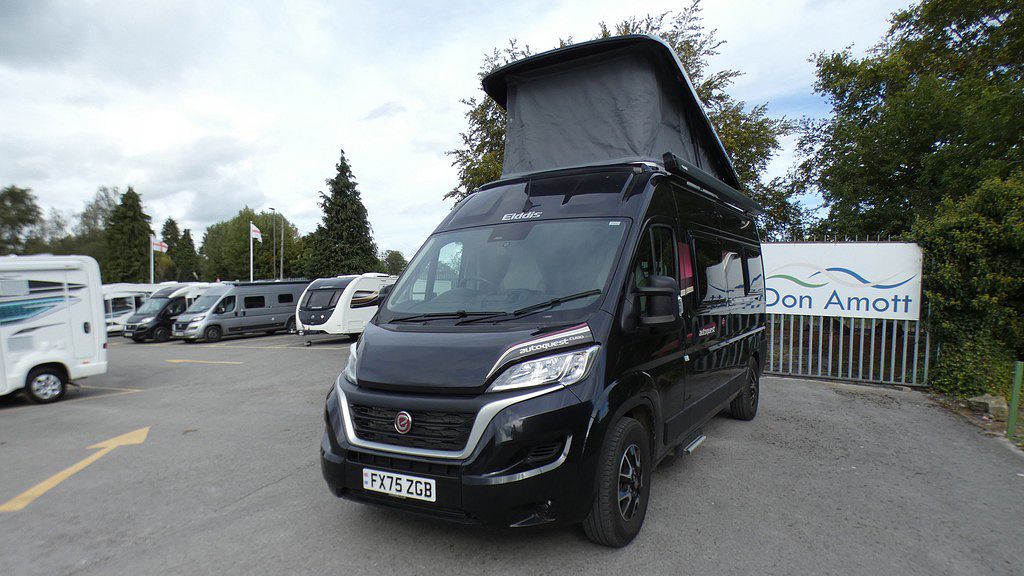
- Awaiting Preparation
- Used
- 2025
- 4 Berth
- Van Conversion
- 1,665 Miles
- End Lounge
- Manual
Don Amott, Derbyshire£62,995£651 per monthNeed a hand? We're here to help, 7 days a weekDon Amott Caravans and Motorhomes
Leisure Kingdom, Egginton Road, Hilton, Derbyshire, United Kingdom, DE65 5FJ (Reg office)
 © 2023 - 2026 Don Amott Caravans and Motorhomes. All rights reserved.
Registered in England No. 4109948 | VAT No. 894 996 923
Don Amott is registered with the FCA, our registration number is 679752.
We will receive commission for introducing you to Black Horse Finance and we will tell you, in good time before the sale is completed, the amount of commission we will receive from Black Horse Finance. The amount of commission we receive does not affect the amount you pay to the lender under your credit agreement, as this is set by the lender.
Also trading at the Motorhome & Caravan Show, Birmingham.Designed and produced by KAL Group.