Campervans Under vs Over 3,500kg: What You Need to Know Before Buying
4 minutes well spent

Quick Overview
The 3,500kg weight limit is a key factor when choosing a campervan. Under this weight, you can drive on a standard Category B licence, enjoy easier handling, and save on running costs, ideal for couples or weekend travellers. Over 3,500kg offers more living space, bigger payloads, and luxury features, but requires a C1 licence and usually comes with higher fuel costs. Don Amott, a trusted campervan dealer, stocks a wide range of models from brands like Auto-Trail, Swift, Elddis, and Bailey, so there’s a perfect choice for every type of adventure.
Why Does the 3,500kg Limit Matter?
In the UK, the 3,500kg Maximum Authorised Mass (MAM) is the threshold most drivers need to understand before buying a campervan. Vehicles at or below this weight can be driven on a standard Category B licence, making them accessible to most drivers. Go above 3,500kg, and you’ll need a C1 licence, which not everyone has. This difference shapes the kind of campervan you can own and how practical it will be for you and your family.
What Is MAM and MTPLM?
MAM stands for Maximum Authorised Mass and refers to the maximum legal weight of a vehicle when fully loaded. You may also see this described as the Maximum Technically Permissible Laden Mass, or MTPLM. Both terms refer to the maximum permitted weight of the campervan, including passengers, fuel, water, luggage and other equipment. This figure affects the driving licence you need and how much payload you can safely carry.
How Can You Check a Campervan’s Weight?
Every campervan has a weight plate, usually found under the bonnet, on the driver’s door frame, or inside the handbook. This will show the MAM, as well as axle weights. If you’re considering a campervan, ask your dealer to confirm its weight and payload so you can plan your trips without worrying about exceeding limits. Don Amott provides full weight and spec details for all models, including popular ranges like the Swift Carrera, Auto-Trail Adventure, and Bailey Endeavour.
If you’re unsure how to work out what you can safely carry, our motorhome weight limits guide explains MTPLM, MIRO, payload and axle limits. The same weight checks apply to campervans.
Are Campervans Under 3,500kg a Good Choice?
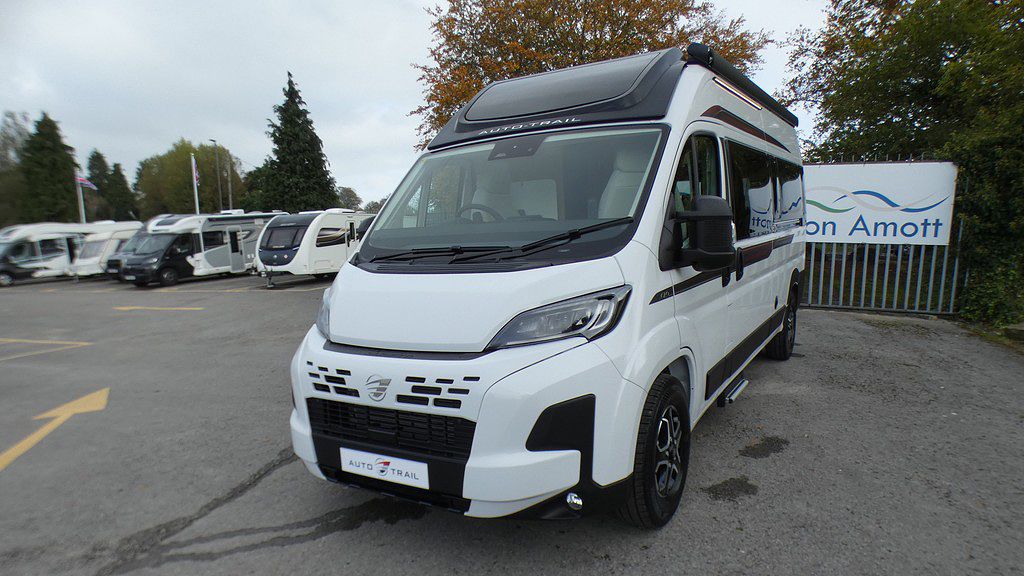
Yes! Campervans under 3,500kg are the most popular choice for UK buyers because they’re versatile, easier to drive, and licence-friendly. Lighter models like the Xplore campervans or the Auto-Trail Expedition are also more fuel-efficient and practical for everyday use. However, payload is limited, which means packing carefully is a must if you’re planning longer tours.
Pros and Cons of Campervans Under 3,500kg
Pros:
- Can be driven on a standard Category B licence
- Easier to park, handle, and manoeuvre
- More fuel-efficient and lower running costs
- Broader resale market
- Often suitable for daily driving
Cons:
- Lower payload capacity for luggage and equipment
- Fewer luxury features due to weight limits
- Can feel cramped on longer trips or for larger families
What About Campervans Over 3,500kg?
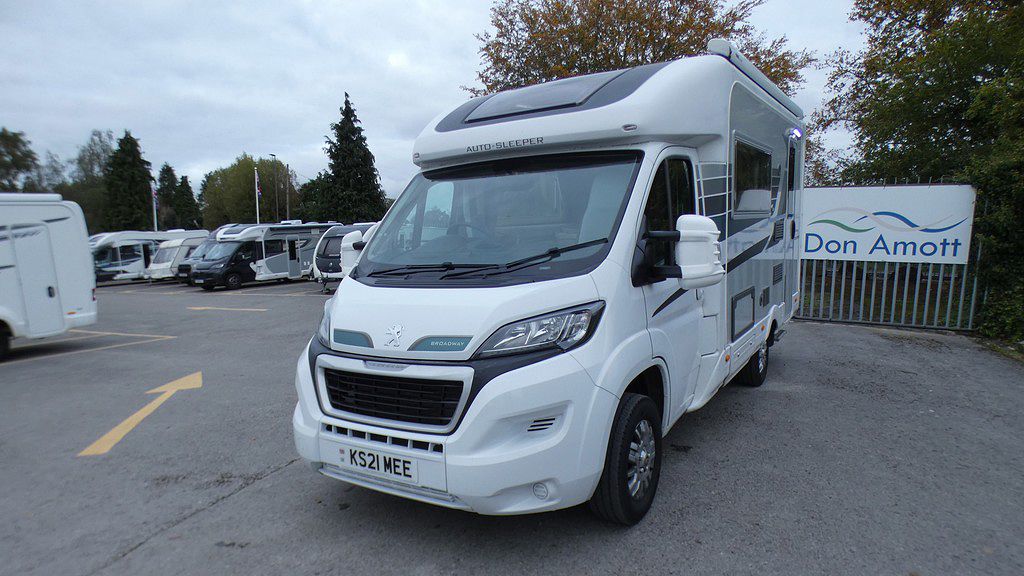
For those who want more space and luxury, heavier campervans are the way to go. With bigger kitchens, larger washrooms, and greater storage, models like the Elddis campervans or the Bailey Endeavour are better suited to families or travellers heading out on long journeys. The trade-off is the need for a C1 licence and slightly higher running costs.
Pros and Cons of Campervans Over 3,500kg
Pros:
- Greater payload for bikes, sporting gear, and supplies
- Larger kitchens, bathrooms, and living spaces
- Smoother ride for long-distance touring
- More premium features and comfort options
- Ideal for extended trips or family use
Cons:
- Requires a C1 licence to drive
- Higher fuel consumption and running costs
- Less convenient for city driving and narrow roads
- Smaller resale audience (limited to C1 licence holders)
Extra Considerations When Buying
Beyond weight, think about where you’ll be travelling. If you’re sticking to the UK, narrow country lanes and smaller campsites might make a lighter van more practical. For European tours or long-term trips, a heavier model could give you the space and comfort to feel at home on the road.
You should also consider resale value. Campervans under 3,500kg tend to have a broader buyer market because of their Category B licence compatibility, whereas heavier vans appeal to more niche buyers with C1 licences. Weight is not the only factor to consider. If you’re also deciding between vehicle designs, our coachbuilt motorhome vs panel van conversion guide compares their space, handling and suitability for different trips.
If you plan to tow a trailer, check your category BE entitlement, often written as B+E, alongside the campervan’s plated towing limit. This entitlement relates to towing and does not allow you to drive a campervan over 3,500kg without the appropriate C1 entitlement.
If you’re also considering a campervan, browse our campervans under 3,500kg and campervans over 3,500kg to compare the models available in each weight category.
Key Takeaways
- Under 3,500kg: Easier to drive, cheaper to run, accessible on a standard licence.
- Over 3,500kg: More space, bigger payload, luxury features, but requires a C1 licence.
- Always check the MAM before buying, and consider your travel plans, payload needs, and resale goals.
The choice between under or over 3,500kg really depends on your lifestyle. Couples or weekend adventurers will appreciate the ease and flexibility of compact models like the Swift Trekker or Auto-Trail V-Line SE, while families and long-distance travellers may prefer the spacious comfort of heavier vans such as the Bailey Endeavour or Elddis campervans.
Whatever your needs, Don Amott, a leading campervan dealer in Derbyshire, is here to guide you through the decision. Visit our showroom or browse online to find the right campervan for your next adventure.
We’ve got 100s of new and used stock for you to discover
The ultimate home of motorhomes, campervans & caravans sales in Derbyshire.
-
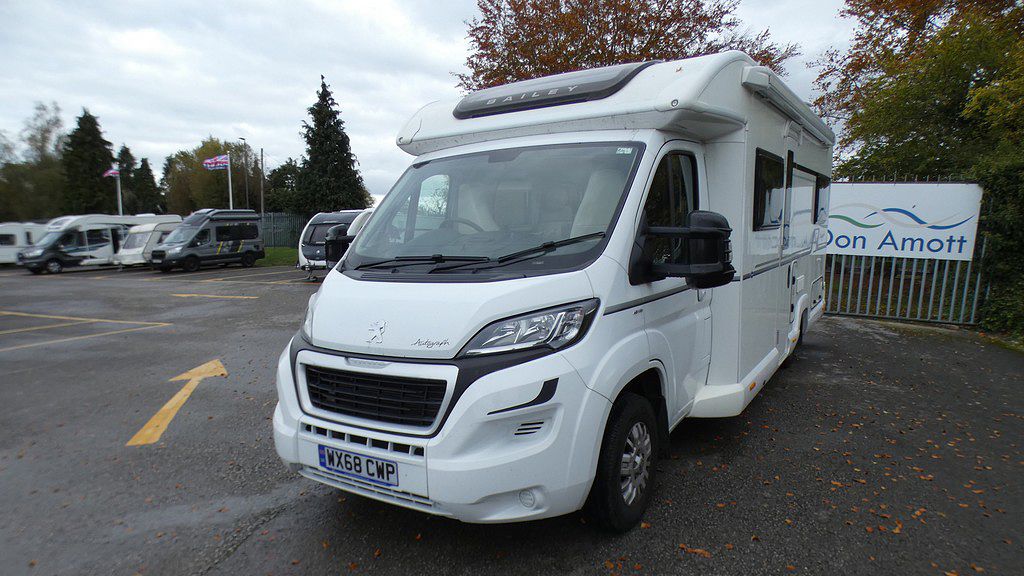
- Awaiting Preparation
- Used
- 2018
- 4 Berth
- Coachbuilt
- 16,456 Miles
- End Bedroom
- Fixed Double Bed
- Manual
Don Amott, Derbyshire£43,995£455 per month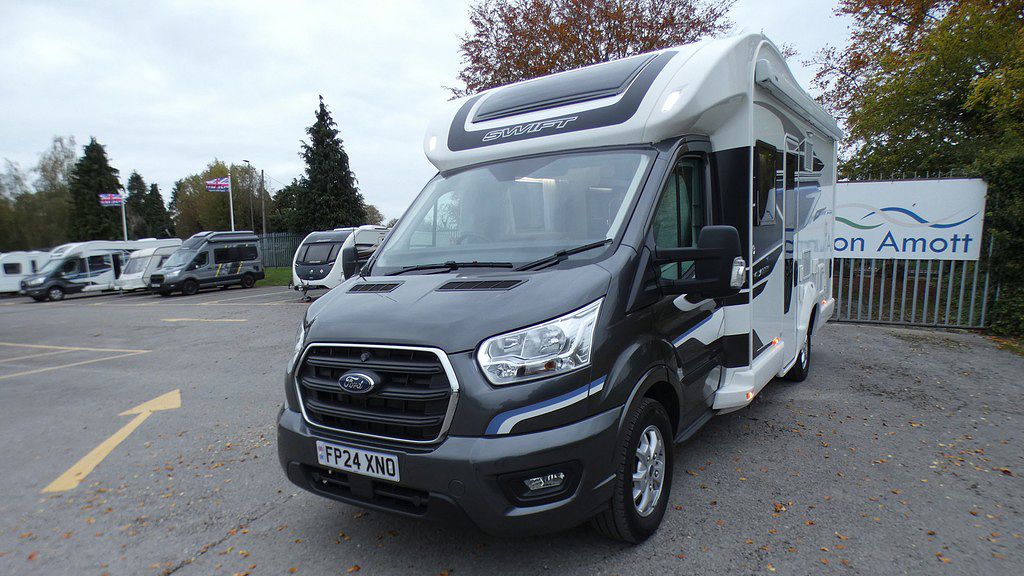
- Awaiting Preparation
- Used
- 2024
- 4 Berth
- Coachbuilt
- 5,308 Miles
- End Washroom
- Automatic
Don Amott, Derbyshire£59,995£620 per month
- In Stock Now
- New
- 2027
- 4 Berth
- Coachbuilt
- Fixed Island Bed
- Automatic
Don Amott, Derbyshire£87,499£904 per month- In Stock Now
- New
- 2027
- 4 Berth
- Coachbuilt
- Fixed Island Bed
- Automatic
Don Amott, Derbyshire£87,499£904 per month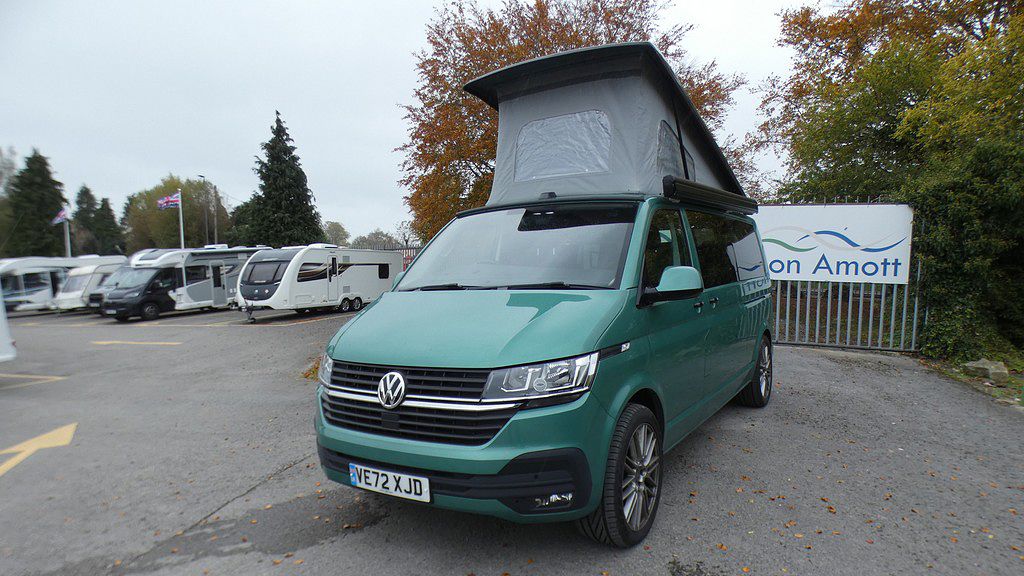
- Awaiting Preparation
- Used
- 2022
- 4 Berth
- Van Conversion
- 5,701 Miles
- Manual
Don Amott, Derbyshire£47,995£496 per month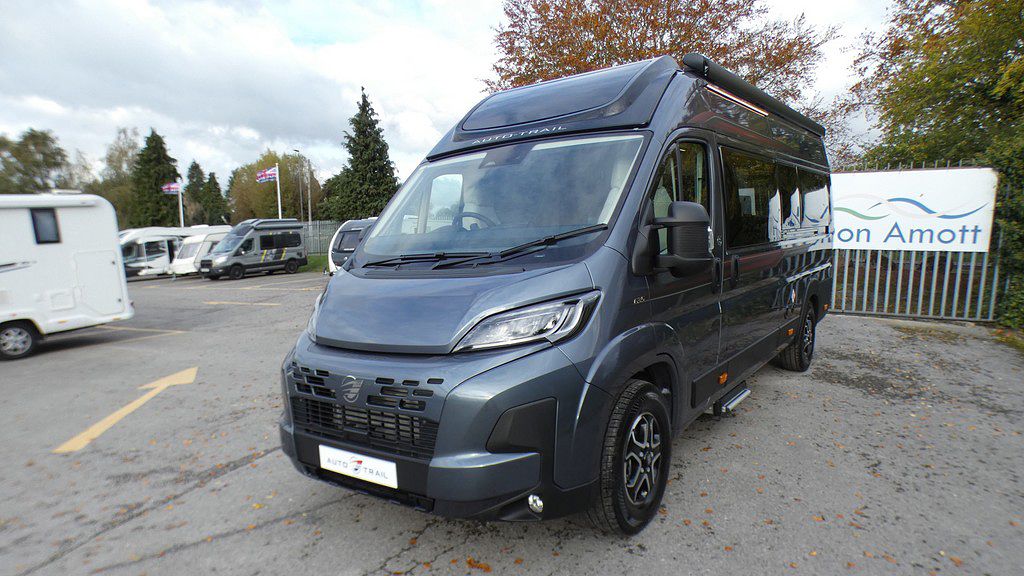
- In Stock Now
- New
- 2027
- 2 Berth
- Van Conversion
- End Lounge
- Automatic
Don Amott, Derbyshire£85,732£886 per month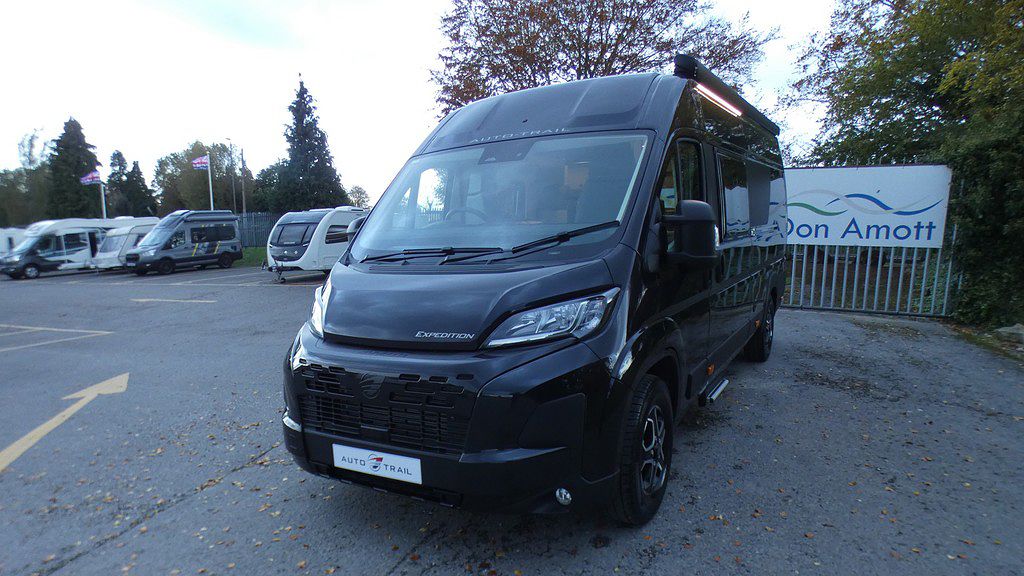
- In Stock Now
- New
- 2027
- 2 Berth
- Van Conversion
- End Bedroom
- Fixed Double Bed
- Automatic
Don Amott, Derbyshire£67,248£695 per month
- Awaiting Preparation
- Used
- 2025
- 6 Berth
- Coachbuilt
- 2,711 Miles
- End Lounge
- Manual
Don Amott, Derbyshire£58,495£604 per month
- Awaiting Preparation
- Used
- 2024
- 4 Berth
- Van Conversion
- 3,759 Miles
- End Kitchen
- Automatic
Don Amott, Derbyshire£58,995£610 per monthNeed a hand? We're here to help, 7 days a weekDon Amott Caravans and Motorhomes
Leisure Kingdom, Egginton Road, Hilton, Derbyshire, United Kingdom, DE65 5FJ (Reg office)
 © 2023 - 2026 Don Amott Caravans and Motorhomes. All rights reserved.
Registered in England No. 4109948 | VAT No. 894 996 923
Don Amott is registered with the FCA, our registration number is 679752.
We will receive commission for introducing you to Black Horse Finance and we will tell you, in good time before the sale is completed, the amount of commission we will receive from Black Horse Finance. The amount of commission we receive does not affect the amount you pay to the lender under your credit agreement, as this is set by the lender.
Also trading at the Motorhome & Caravan Show, Birmingham.Designed and produced by KAL Group.