Essential Checks Before Every Motorhome Journey
5 minutes well spent

In this article
- Pre-Journey Documentation and Legal Compliance Checks
- Tyres, Wheels and Pressure Assessment
- Fluid Levels and Engine Readiness
- Gas System Safety and Leak Checks
- Electrical Systems and Battery Condition
- Interior Safety and Load Distribution
- Water Systems and Waste Management Readiness
- Emergency Equipment and Breakdown Essentials
- Route Planning and Weather Considerations
- Final Security Check Before Departure
Before setting off in a motorhome, you need to perform essential checks to ensure safety on the road. Unlike standard car travel, motorhomes carry multiple integrated systems, including gas, water, electrics, and habitation components, all of which require attention prior to departure. Overlooking even minor issues can lead to disruption, breakdowns, or safety risks during your journey. This guide outlines inspections to complete before every trip so you can travel with confidence and reduce the likelihood of preventable problems.
Pre-Journey Documentation and Legal Compliance Checks
Before starting any motorhome journey, it’s essential to confirm that all required documentation is valid and accessible. This includes checking that the driving licence covers the correct vehicle category, insurance is active and appropriate for motorhome use, and breakdown cover includes European or long-distance travel if needed. The vehicle’s MOT status and tax should also be current, as lapses can invalidate insurance and lead to fines. In addition, carrying registration documents, emergency contact details, and any travel-specific paperwork ensures you are prepared for roadside checks or unforeseen incidents.
Tyres, Wheels and Pressure Assessment
Tyres and wheels should be inspected carefully before every journey, as they are critical to vehicle stability and safety under load. Check each tyre for visible signs of wear, cracking, bulges, or embedded debris, and ensure tread depth meets legal requirements across the full width of the tyre. Tyre pressures must be set according to the manufacturer’s load guidance, not just standard car settings, as motorhomes often operate near maximum weight capacity. Also confirm that wheel nuts are secure and that there are no signs of corrosion or damage to rims. A properly inflated and structurally sound set of tyres reduces the risk of blowouts and improves braking performance and fuel efficiency.
Fluid Levels and Engine Readiness
All fluid levels should be checked when the engine is cold, and the vehicle is parked on level ground. Engine oil should sit within the recommended range on the dipstick, as low levels can increase wear while overfilling can cause pressure issues. Coolant must be topped up to the correct mark using the appropriate specification for the engine, as inadequate levels risk overheating during longer or heavily loaded journeys. Screen wash should also be filled and suited to seasonal conditions to maintain clear visibility. In addition, it’s worth checking brake fluid and power steering fluid where accessible. Once fluids are confirmed, start the engine and listen for any irregular noises or warning lights to ensure overall readiness before departure.
Gas System Safety and Leak Checks
The gas system should be checked thoroughly before any journey, as it powers onboard appliances and presents a potential safety risk if neglected. Ensure gas bottles are securely fastened in their compartment and that all connections are properly tightened. Inspect hoses for signs of cracking, brittleness, or wear, and confirm that any regulator is within its service life and correctly fitted. Before travel, turn off all gas appliances and isolate the supply where required. A leak test should be carried out using a suitable gas detector or by observing pressure stability if a gauge system is fitted. Any suspicion of a leak or unusual smell should be treated as urgent and addressed before the vehicle is used.
Electrical Systems and Battery Condition
All electrical systems should be confirmed as fully operational before departure, as they support both vehicle function and onboard living. Start by checking the engine battery condition, ensuring the terminals are clean, secure, and free from corrosion. The leisure battery should also be sufficiently charged to support appliances such as lighting, refrigeration, and water pumps while off grid. Test interior and exterior lighting, indicators, brake lights, and dashboard warning systems to confirm full functionality. Where fitted, verify that inverter systems, solar charging units, and hook-up connections are working correctly. Any flickering lights, slow cranking, or inconsistent power supply should be investigated before setting off, as these often indicate underlying battery or alternator issues.
Interior Safety and Load Distribution
Inside the motorhome, all loose items should be securely stowed to prevent movement during braking, cornering, or sudden manoeuvres. Cupboards, drawers, and fridge doors should be latched properly, and heavier items placed low down to maintain a stable centre of gravity. Even weight distribution is important, as uneven loading can affect handling, braking distance, and tyre wear. Check that seats, tables, and any convertible fittings are locked into their travel positions. It’s also important to ensure that emergency exits remain unobstructed at all times. A well-secured interior reduces the risk of injury and prevents damage to fixtures while the vehicle is in motion.
Water Systems and Waste Management Readiness
Fresh water and waste systems should be checked and prepared before departure to avoid inconvenience on the road. Ensure the freshwater tank is filled with clean, potable water and that all taps run without sputtering, which could indicate airlocks or low levels. Check for leaks around pipes, joints, and the pump system, particularly after periods of storage. The wastewater tank should be emptied before travel to prevent excess weight and odours, and the toilet cassette should also be fully serviced and correctly sealed. Confirm that all tank indicators are functioning accurately, as faulty readings can lead to unexpected shortages. Proper preparation of these systems helps maintain hygiene and comfort throughout the journey.
Emergency Equipment and Breakdown Essentials
Emergency and breakdown equipment should always be checked and easily accessible before setting off. A well-prepared motorhome should carry a warning triangle, high-visibility jackets for all passengers, a fully stocked first aid kit, and a torch with spare batteries or a rechargeable alternative. It’s also sensible to include basic tools, fuses, duct tape, and a tyre inflation kit or compressor where appropriate. Ensure your breakdown recovery details are up to date and stored both digitally and in hard copy. For longer trips, especially abroad, consider carrying spare fluids and key replacement bulbs. Having these essentials organised and within reach reduces response time and improves safety if an incident occurs.
Route Planning and Weather Considerations
Route planning should be completed well in advance, taking into account road restrictions, bridge heights, low emission zones, and suitable stopping points for a vehicle of your size and weight. Relying solely on standard car navigation can be problematic, so motorhome-specific routing is preferable where available. Build in realistic driving times that account for slower speeds, refuelling stops, and mandatory rest breaks, rather than overestimating daily mileage.
Weather conditions should also be reviewed immediately before departure and monitored throughout the journey. High winds can significantly affect larger vehicles, particularly on exposed roads and bridges, while heavy rain may impact braking distances and visibility. Cold conditions can introduce risks such as icy roads or reduced battery performance, whereas extreme heat can place additional strain on engine cooling systems. Adjusting travel plans in response to adverse forecasts is often the most effective way to maintain safety and avoid unnecessary disruption.
Final Security Check Before Departure
A final security check should be completed immediately before setting off to ensure the vehicle is safe, secure, and ready for travel. All doors, windows, roof vents, and external lockers should be firmly closed and locked, with special attention to habitation door latches, which are often subject to vibration during movement. Awning arms, steps, and external equipment must be fully stowed and secured to prevent damage or detachment.
Inside the cab and living area, confirm that all loose items are stowed away and that cupboards and appliances are properly latched. Check that mirrors are correctly positioned, the handbrake is released, and dashboard warning lights indicate normal operation after start-up. It’s also important to verify that any alarm or immobiliser systems are armed where applicable. Completing this final walkaround reduces the risk of avoidable incidents once the journey has begun.

Yes, a full pre-journey check should be completed before every trip, even short ones, as systems such as tyres, gas, electrics, and load security can change between uses.
Tyre pressure should be checked before every journey and at regular intervals during long trips, as motorhomes are sensitive to load changes and pressure loss.
You can travel with a full freshwater tank if needed, but waste tanks should always be emptied before departure to avoid excess weight, odours, and imbalance.
Loose internal items and unsecured cupboards are frequently overlooked, but they can shift during travel and cause damage or injury if not properly secured.
We’ve got 100s of new and used stock for you to discover
The ultimate home of motorhomes, campervans & caravans sales in Derbyshire.
-
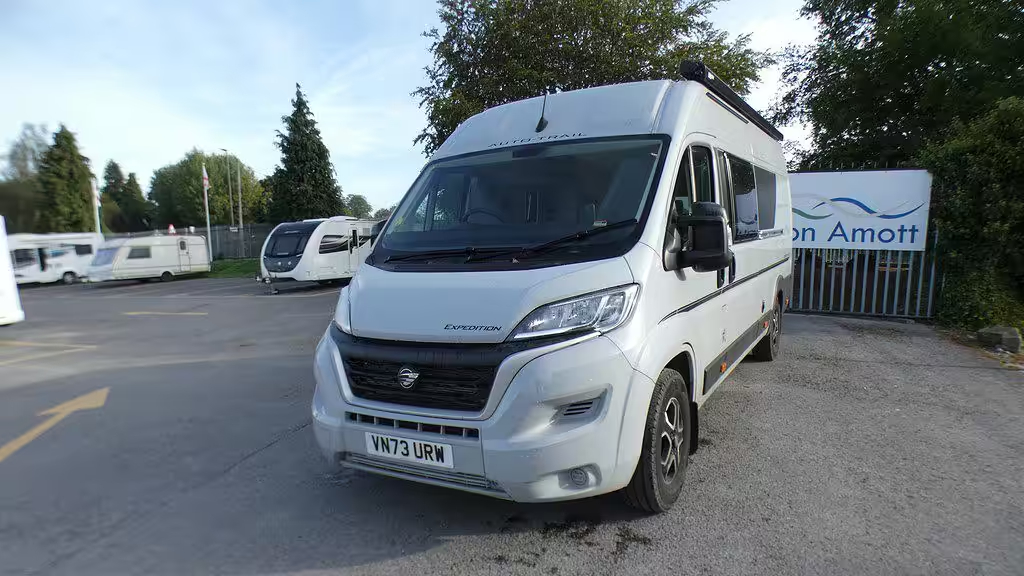
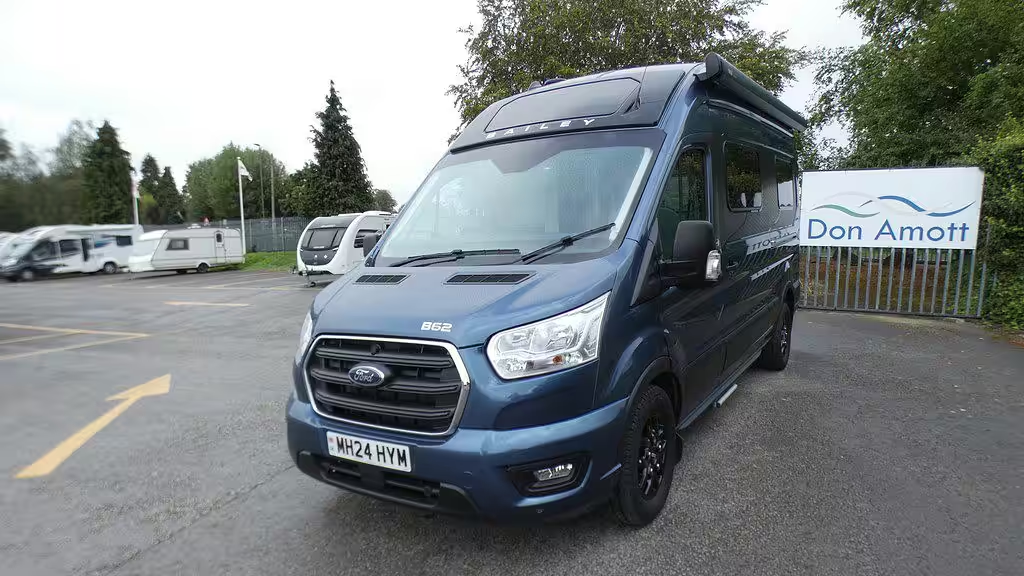
- Awaiting Preparation
- Used
- 2023
- 2 Berth
- Van Conversion
- 11,705 Miles
- End Bedroom
- Fixed Double Bed
- Automatic
Don Amott, Derbyshire£53,995£558 per month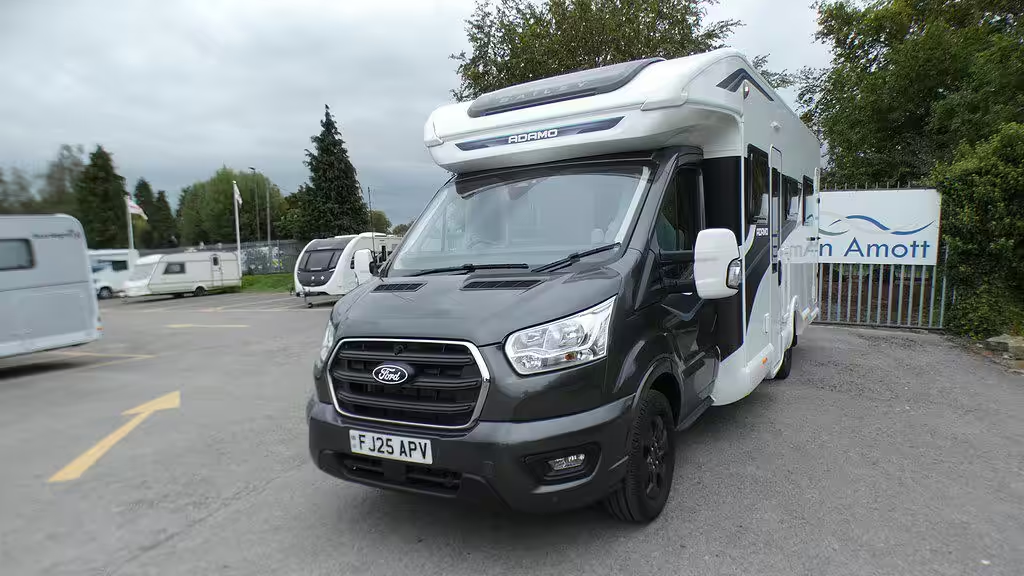
- Awaiting Preparation
- Used
- 2025
- 4 Berth
- Coachbuilt
- 2,226 Miles
- End Lounge
- Drop-down Bed
- Automatic
Don Amott, Derbyshire£66,995£692 per month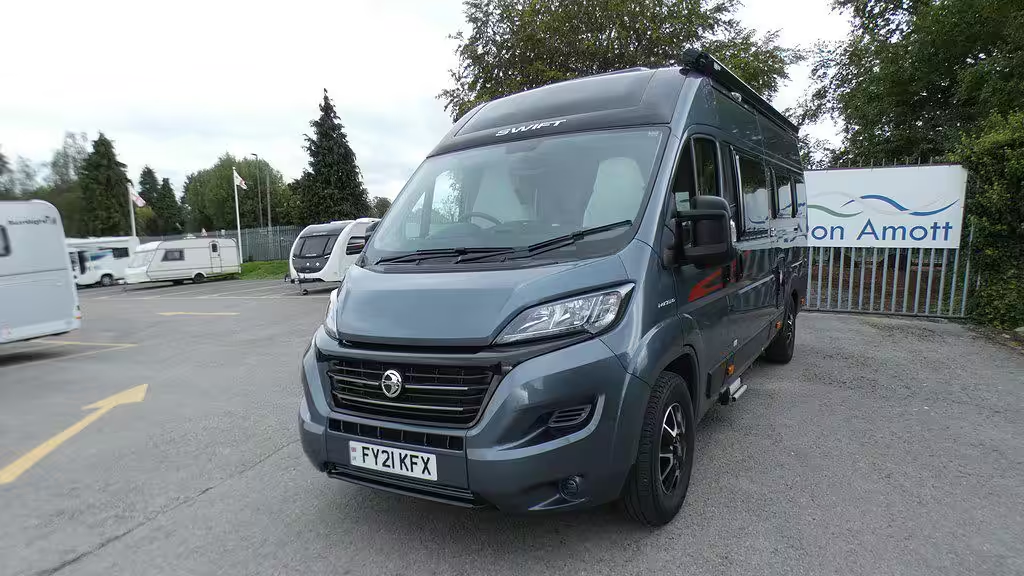
- Awaiting Preparation
- Used
- 2021
- 4 Berth
- Van Conversion
- 12,229 Miles
- End Lounge
- Manual
Don Amott, Derbyshire£53,995£558 per month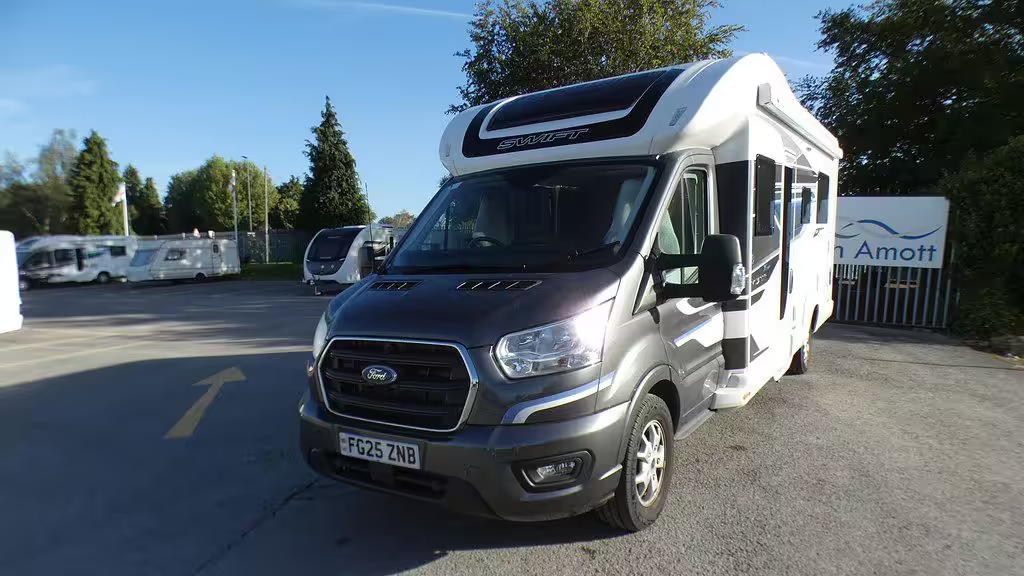
- Awaiting Preparation
- Used
- 2025
- 6 Berth
- Coachbuilt
- 3,924 Miles
- End Lounge
- Automatic
Don Amott, Derbyshire£63,995£661 per month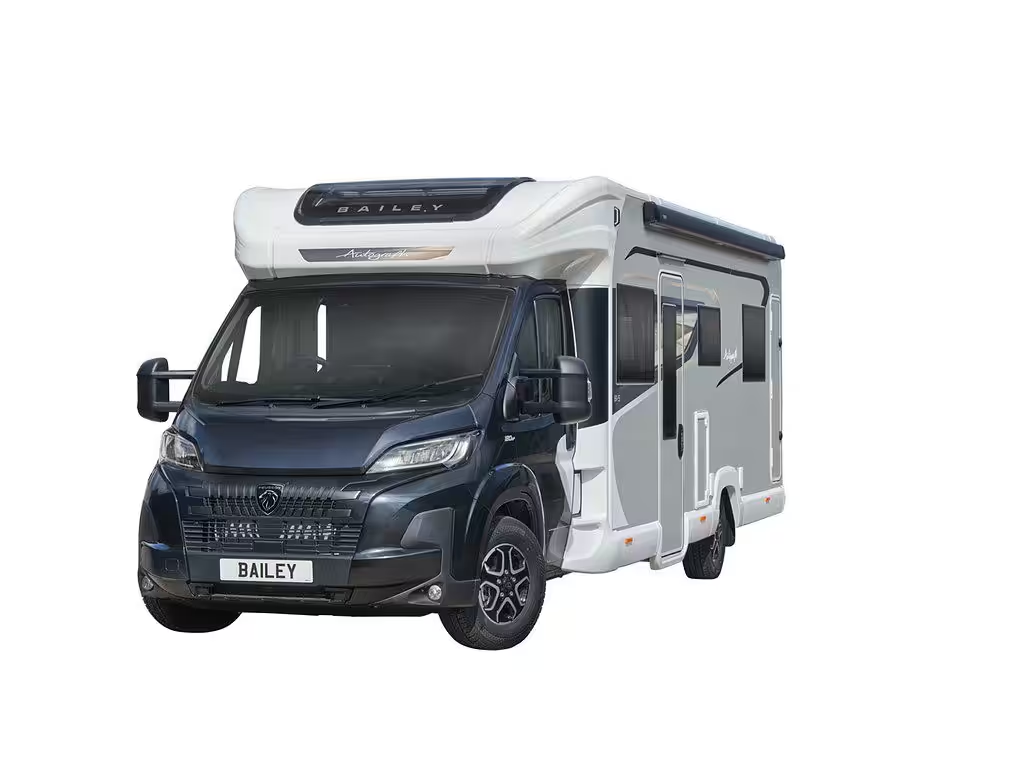
- Available To Order
- New
- 2027
- 6 Berth
- Coachbuilt
- End Lounge
- Drop-down Bed
- Automatic
Don Amott, Derbyshire£98,699£1,020 per month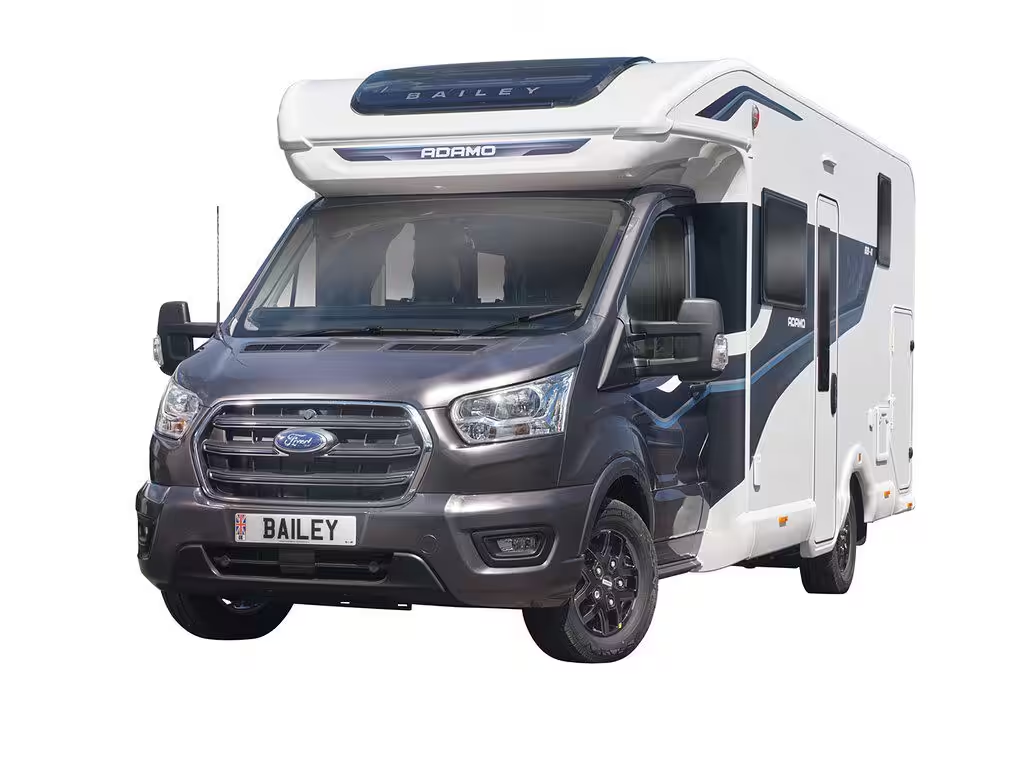
- Available To Order
- New
- 2027
- 4 Berth
- Coachbuilt
- End Washroom
- Automatic
Don Amott, Derbyshire£81,899£847 per month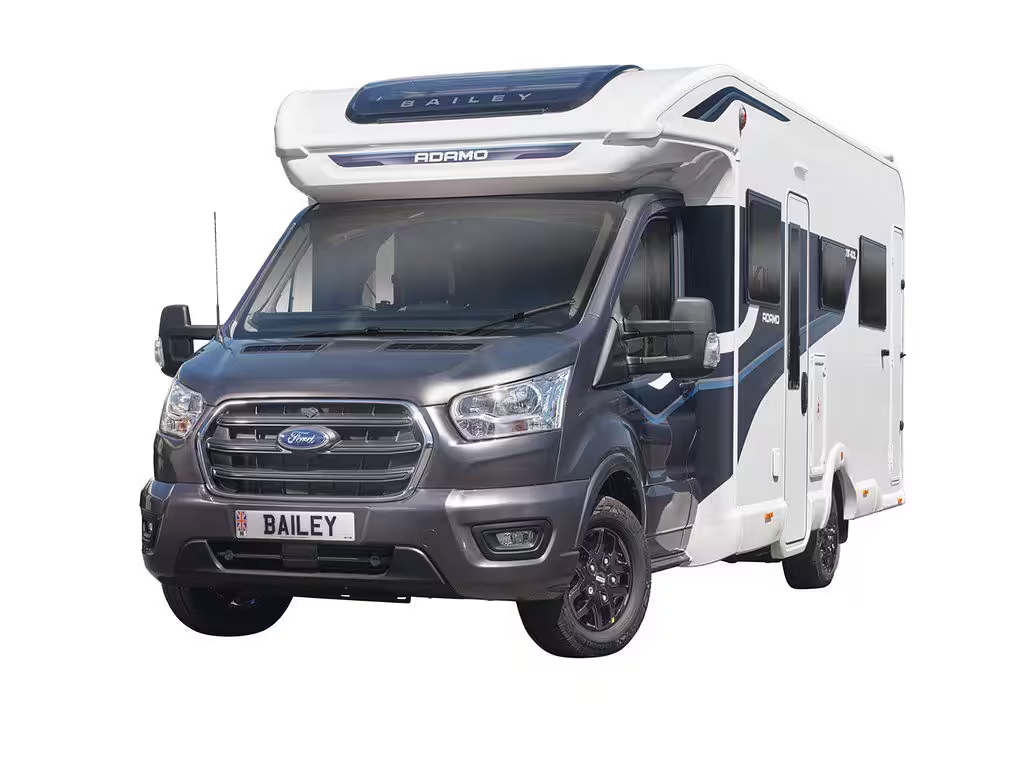
- Available To Order
- New
- 2027
- 4 Berth
- Coachbuilt
- End Lounge
- Drop-down Bed
- Automatic
Don Amott, Derbyshire£83,999£868 per month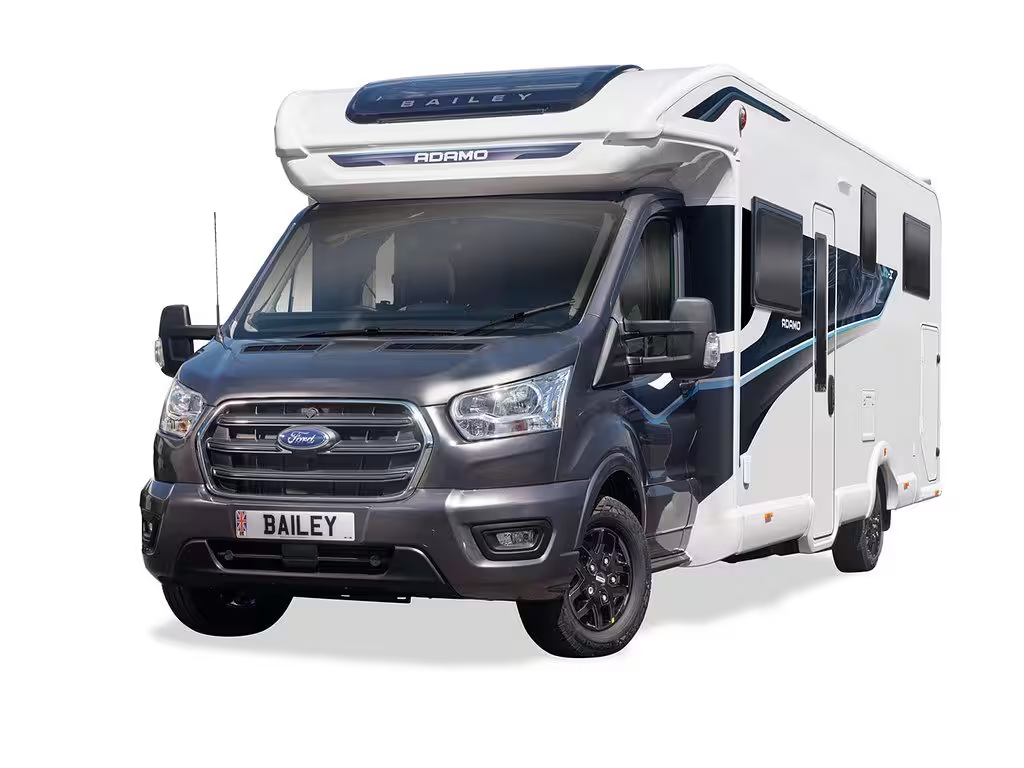
- Available To Order
- New
- 2027
- 4 Berth
- Coachbuilt
- Fixed Island Bed
- Automatic
Don Amott, Derbyshire£87,499£904 per month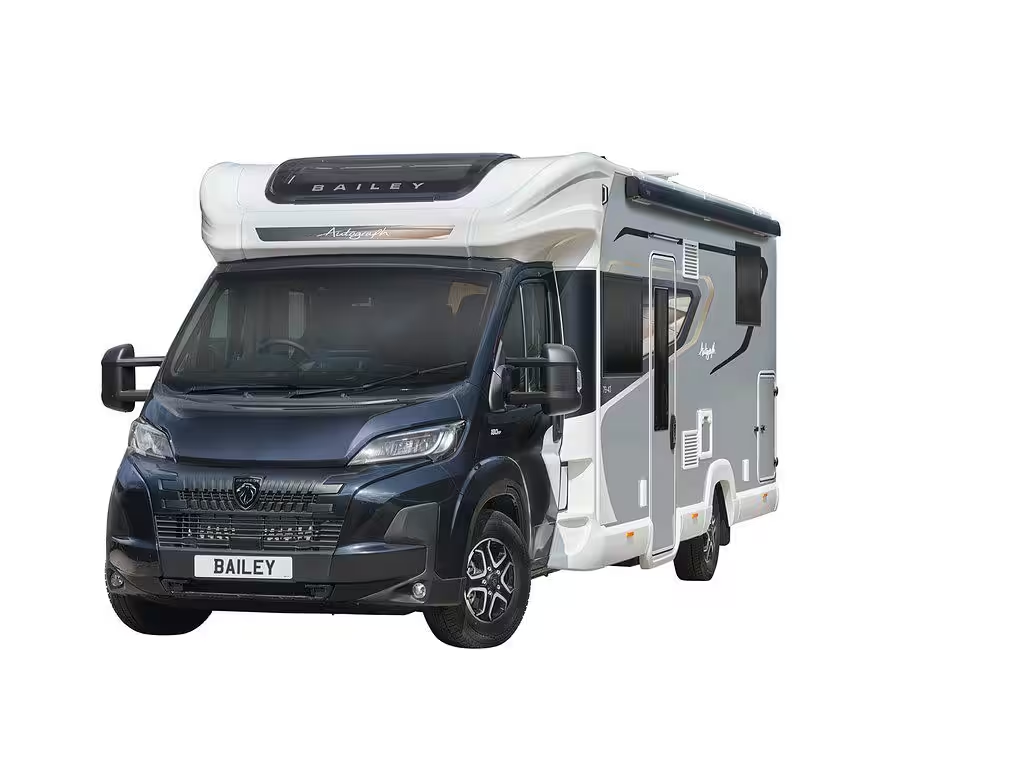
- Available To Order
- New
- 2027
- 4 Berth
- Coachbuilt
- Fixed Island Bed
- Automatic
Don Amott, Derbyshire£96,999£1,003 per monthNeed a hand? We're here to help, 7 days a weekDon Amott Caravans and Motorhomes
Leisure Kingdom, Egginton Road, Hilton, Derbyshire, United Kingdom, DE65 5FJ (Reg office)
 © 2023 - 2026 Don Amott Caravans and Motorhomes. All rights reserved.
Registered in England No. 4109948 | VAT No. 894 996 923
Don Amott is registered with the FCA, our registration number is 679752.
We will receive commission for introducing you to Black Horse Finance and we will tell you, in good time before the sale is completed, the amount of commission we will receive from Black Horse Finance. The amount of commission we receive does not affect the amount you pay to the lender under your credit agreement, as this is set by the lender.
Also trading at the Motorhome & Caravan Show, Birmingham.Designed and produced by KAL Group.